Traditional CMS vs. Scalable Digital Experience Platform: Which Is Right for Your Business?
By MethodFactory
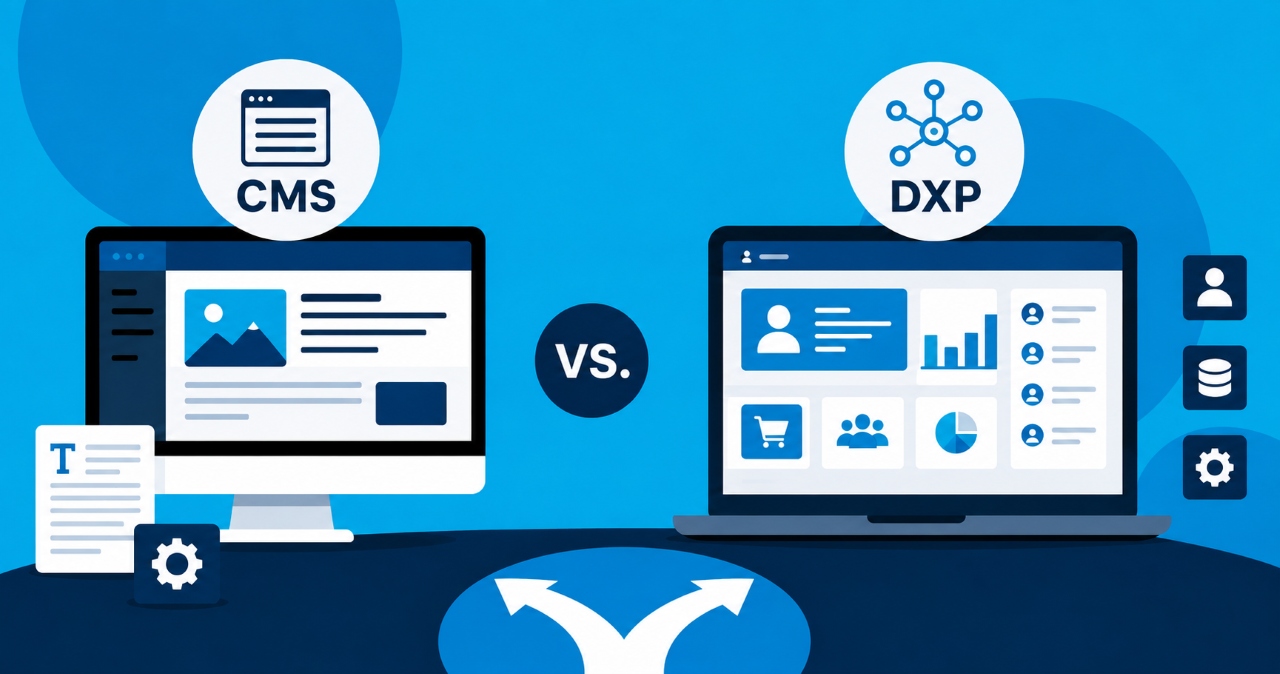
Choosing the right website platform depends on your current business needs and future growth plans. A traditional CMS works well for businesses with simple websites and limited resources, while a scalable Digital Experience Platform supports complex content management, integrations, personalization, and long-term expansion.
Your Website Platform Should Match Your Business, Not the Latest Trend
Many businesses assume they need the biggest, most advanced website platform available. In reality, choosing software that’s too complex can create unnecessary costs, increase maintenance, and slow down your marketing efforts.
The best website platform isn’t the most expensive one. It’s the one that supports your business today while giving you room to grow tomorrow.
Whether you’re launching your first marketing website or managing digital experiences across multiple brands, understanding the differences between a traditional Content Management System (CMS) and a Scalable Digital Experience Platform (DXP) will help you make a smarter investment.
What Is a Traditional CMS?
A traditional CMS is designed to help businesses create, manage, and publish website content efficiently. Platforms like WordPress and similar systems are excellent for organizations that primarily need an informational website and blog.
A Traditional CMS Is Best When Your Business Has:
- A small marketing team
- A mostly informational website
- Regular blog publishing
- Few third-party integrations
- A limited website budget
- A local or regional customer base
For many small and growing businesses, a traditional CMS provides everything needed to build credibility, improve search visibility, and generate leads without unnecessary complexity.
Not sure if your website platform is still the right fit?
Your website should support your business today while preparing you for tomorrow. We’ll evaluate your current platform, growth goals, and digital strategy to help you determine whether a traditional CMS or a scalable Digital Experience Platform is the right choice.
What Is a Scalable Digital Experience Platform?
A Digital Experience Platform like Optimizely goes beyond publishing web pages. It connects content, customer data, marketing automation, personalization, and enterprise systems into one integrated digital ecosystem.
As organizations grow, managing multiple websites, brands, departments, and customer experiences becomes increasingly challenging. That’s where a scalable DXP provides significant value.
A Digital Experience Platform Is Best When Your Business Has:
- Multiple departments publishing content
- Multiple locations or brands
- Enterprise software integrations
- Personalized customer experiences
- A large content library
- Customer portals or secure user experiences
- A long-term digital growth strategy
Rather than simply managing pages, a DXP manages complete customer experiences across channels.
Traditional CMS vs. Digital Experience Platform
How to Decide Which Platform Is Right for You
The decision isn’t about choosing the most powerful platform.
It’s about choosing the right platform for your current stage of growth.
Ask yourself:
- How many people manage our website?
- Will we add locations, brands, or business units?
- Do we need personalized customer experiences?
- Will our website connect with CRM, ERP, or marketing automation systems?
- Is our website supporting today’s business, or tomorrow’s?
Your answers will usually point clearly toward the right solution.
Planning for Future Growth
Many successful companies begin with a traditional CMS and later migrate to a Digital Experience Platform as their business evolves.
The important part is selecting technology that aligns with your current needs while avoiding unnecessary complexity. Investing in the right platform today creates a stronger foundation for future digital growth.
Ready to plan your next stage of digital growth?
Whether you’re getting the most out of your current CMS or considering a move to a Digital Experience Platform, we’ll help you choose a solution that aligns with your business goals, team, and long-term growth strategy.
Frequently Asked Questions
-
What is the difference between a traditional CMS and a Digital Experience Platform (DXP)?A traditional Content Management System (CMS) is designed to create, manage, and publish website content. A Digital Experience Platform (DXP) builds on those capabilities by integrating content management with personalization, enterprise applications, customer data, and multi-channel digital experiences. A CMS is ideal for simpler websites, while a DXP supports organizations with more complex digital needs.
-
How do I know if my business needs a Digital Experience Platform?Your business may benefit from a Digital Experience Platform if you manage multiple brands or locations, require enterprise system integrations, deliver personalized customer experiences, or have a long-term digital growth strategy. Businesses with simpler websites and fewer technical requirements often find a traditional CMS is the right solution.
-
Can a traditional CMS grow with my business?Many organizations begin with a traditional CMS because it provides the tools needed to manage content, publish blogs, and generate leads. As business requirements become more complex, companies can transition to a Digital Experience Platform to support additional functionality and scalability.
-
Should I upgrade my website platform now or wait?The best time to upgrade is when your current platform no longer supports your business goals. If managing content has become inefficient, you need advanced integrations, or you’re planning for growth across multiple locations, brands, or customer experiences, it may be time to evaluate whether a Digital Experience Platform is the right next step.
In This Article
Your Website Platform Should Match Your Business, Not the Latest Trend
What Is a Traditional CMS?
What Is a Scalable Digital Experience Platform?
Traditional CMS vs. Digital Experience Platform
How to Decide Which Platform Is Right for You
Planning for Future Growth
Is Your CMS Ready for What’s Next?
We can help you evaluate your current technology, identify where it is holding you back, and determine the right path toward a more flexible, scalable digital experience platform.